 Comparison
How to Decide If Structured Wiring Is Worth It for Your Home
Last Updated: November 14, 2026
Quick Summary
Structured wiring is worth it when you run many fixed devices, depend on a steady connection for work or security, and walls are open for other work. In a lightly connected finished home, a well-placed router may be all you need.
- Give a cable to any device that has an Ethernet port and never moves.
- Plan low-voltage wiring before drywall goes up, when cable routes through open stud bays.
- Run more cable than you think you need; extra cost during construction is small.
- Keep low-voltage cable separated from line-voltage runs, crossing at right angles.
- Structured wiring is often a selling point but not a guaranteed return on investment.
Table of Contents
- What Structured Wiring Means for a Modern Home
- Wired Ethernet vs Wi-Fi: Which One Do You Actually Need?
- Where the Structured Wiring Panel Fits in Your Home Network
- Smart Home Wiring: What Devices Benefit From a Wired Connection
- Low-Voltage Wiring for New Construction: Planning Before the Drywall Goes Up
- Structured Wiring vs. a Standard Wi-Fi Setup: A Side-by-Side Comparison
- The Value of Professional Installation for Long-Term Network Reliability
- Planning Your Structured Wiring Project With All Around Technologies
- Frequently Asked Questions
What Structured Wiring Means for a Modern Home
Structured wiring is a planned system of low-voltage cables that carries internet, video, audio, and control signals to fixed outlets throughout a house, all converging on one central panel. Unlike a single cable run to a router, it treats the home network as permanent infrastructure.
That distinction matters more now than a decade ago. Televisions stream, cameras upload, thermostats report, and home offices run on video calls, each depends on a connection that holds steady.
Whether structured wiring is worth it comes down to three variables: how many connected devices you run, how much you depend on a stable connection, and whether walls are already open for other work.
Most guides frame it as wired versus wireless. It is not a contest, a wired backbone and strong Wi-Fi work together, and the best setups use both. Here is how to judge which parts of your home need cable and which are fine on Wi-Fi.
Wired Ethernet vs Wi-Fi: Which One Do You Actually Need?
A wired Ethernet connection delivers a dedicated, interference-resistant link between a device and your network; Wi-Fi delivers mobility with shared airtime. You need both in most homes, but they serve different jobs.
Wi-Fi is the right call for phones, tablets, laptops that move around, and smart speakers. Wired Ethernet earns its place for anything that stays put and punishes a dropped signal: desktop computers, televisions, game consoles, cameras, and network equipment itself.
A practical rule is simple. If a device has an Ethernet port and never moves, give it a cable. If it moves or has no port, Wi-Fi handles it.
Where homeowners get burned is assuming a mesh system solves everything. Mesh helps coverage, but every node still shares the same wireless airtime, and a dozen devices crowd it. A wired connection removes that device from the wireless conversation entirely. If you are weighing the wired side, our network installation service covers Cat6 wiring and Wi-Fi setup for homes and businesses.
Where the Structured Wiring Panel Fits in Your Home Network
The structured wiring panel is the central cabinet where every low-voltage cable in the house terminates, and it is the single most important piece of the system. Think of it as the home's network backbone in one box. Your modem, router, and network switch live here or connect through here, and each cable run branches out to a room.
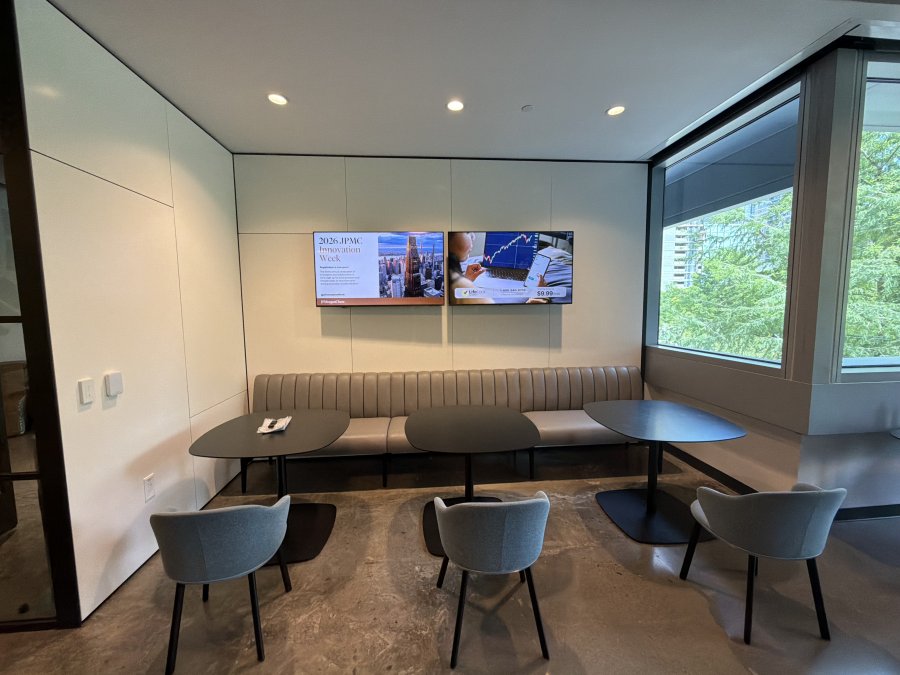
A well-planned panel keeps cable runs labeled and serviceable so a future technician can trace a line without guessing, puts the router and switch in one spot, and leaves room to add a network switch as your device count grows.
Labeling matters. An unlabeled panel is barely better than a tangle behind the television, because the value of structured cabling shows up years later when someone needs to find one cable in a wall.
Smart Home Wiring: What Devices Benefit From a Wired Connection
Smart home wiring pays off most for devices that stream data continuously or control something important, giving them priority access to the network and removing them from Wi-Fi congestion.
The devices that benefit most:
- Security cameras, which upload video constantly and benefit from a stable, high-bandwidth link
- Smart televisions and streaming boxes, where buffering ruins the experience
- Video doorbells and smart locks, where a delayed response is more than an annoyance
- Home automation hubs, which coordinate dozens of devices at once
- Network access points, which perform better when fed by cable rather than repeating a wireless signal
Battery-powered sensors, smart bulbs, and plugs are fine on Wi-Fi or a low-power protocol. Wiring every device is overkill.
If you want those devices coordinated rather than managed one app at a time, our home automation installation service handles setup across brands and rooms.
Low-Voltage Wiring for New Construction: Planning Before the Drywall Goes Up
Low-voltage wiring for new construction is cheapest and easiest before drywall goes up, when cable can be routed through open stud bays without patching.
Most guides stop at "plan ahead." That is not a plan. What actually helps is a room-by-room checklist you can hand to a builder or installer.
Central panel location. Pick a spot with power nearby, ventilation, and room to grow, a utility closet, basement corner, or garage wall works.
Home office. Two Ethernet drops at the desk (one for the computer, one for a dock or printer), plus a drop for a ceiling or wall access point if the office is far from the panel. Video calls punish unstable links, so this is a high-value run.
Bedrooms. One Ethernet drop per bedroom covers a streaming TV, a game console, or a desk that moves later.
Kitchen and living spaces. A drop for a smart display or streaming device, and a run to any wall where a TV might eventually hang.
Exterior and entry. Camera runs at each corner and door you want covered, plus a doorbell run.
A useful rule is to run more cable than you think you need; the extra cost during construction is small compared to opening a wall later. Second, keep low-voltage cable separated from line-voltage electrical runs where practical, since electrical wiring can introduce interference.
Planning for conduit can also help. A length of conduit from the panel to a media wall or attic space gives you a path to pull new cable later without demolition.
For homeowners planning a dedicated workspace, our guide to structured wiring for a home office walks through outlet placement and cable planning in detail.
Watch out: never run a standard power cord or extension cord inside a wall. That is line-voltage work and belongs to a licensed electrician, not a low-voltage installer.
Structured Wiring vs. a Standard Wi-Fi Setup: A Side-by-Side Comparison
Structured wiring wins on reliability and capacity; a standard Wi-Fi or mesh setup wins on upfront simplicity and cost. The right choice depends on how much you ask of your network.
| Factor | Structured Wiring | Standard Wi-Fi / Mesh |
|---|---|---|
| Reliability | Dedicated link per device | Shared airtime, interference risk |
| Speed consistency | Steady under load | Drops as devices multiply |
| Best for | Fixed devices, cameras, offices | Phones, tablets, mobile use |
| Installation | Requires cable runs and a panel | Plug in nodes, minimal work |
| Upfront effort | Higher | Lower |
| Expanding later | Add a run or switch | Add another node |
| Resale appeal | Often a selling point for buyers | Neutral |
A limitation of structured wiring is the installation work. It can be disruptive in a finished home and requires planning. Wi-Fi's limitation is physics: airtime is finite.
What the table cannot tell you is whether wiring is worth it for your home. That is a judgment call, and it comes down to four questions.
1. How old is the home, and are walls open? In new construction or during a major renovation, the labor to run cable is far lower because walls are already open.
2. How many devices stay put and need a steady link? Count the fixed devices that punish a dropped signal: desktop computers, televisions, game consoles, cameras, network equipment.
**3.
4. How long will you stay? Wiring is a long-horizon investment. The longer you plan to stay, the more time there is for the reliability benefit to add up.
One caveat on resale.
For a step-by-step look at tightening up the wireless side, our guide on improving Wi-Fi for remote work covers the practical fixes.
The Value of Professional Installation for Long-Term Network Reliability
Professional installation matters for the parts you cannot see: cable routing, termination quality, and labeling. A cable run that is kinked, stapled too tightly, or terminated poorly may work at first and fail later. Those failures are hard to trace and expensive to fix.
One boundary is worth stating plainly. Low-voltage cabling such as Ethernet, HDMI, and speaker wire is different from line-voltage electrical wiring. If a project involves new electrical outlets, running power inside a wall, or anything touching your home's electrical system, that work should go to a licensed electrician. We handle the low-voltage side and coordinate around the electrical work.
Watch out: the most common retrofit mistake is drilling or cutting into a wall without checking what is behind it. A quick check for plumbing, electrical, and studs prevents an expensive repair.
Planning Your Structured Wiring Project With All Around Technologies
A good structured wiring project starts with a walkthrough and a device list, not a shopping list. Before any cable goes in, your installer should map where devices live, where the panel belongs, and which rooms need wired connections versus strong Wi-Fi.
The break-even question is personal. If you work from home, run security cameras, or stream to multiple televisions, a wired backbone tends to pay for itself in fewer dropped calls and less troubleshooting. If your home is small and lightly connected, a well-placed router may be all you need.
All Around Technologies LLC provides professional technology installation services for homes and businesses in Royse City and the surrounding areas, including network infrastructure and Wi-Fi setup. When you are ready to plan your project, contact us to talk through your home and request a quote.
The hardest part of structured wiring is not the cable; it is deciding what your home actually needs before anything goes in the wall. That is where a professional walkthrough saves you from expensive guesswork. All Around Technologies LLC brings professional network infrastructure and Wi-Fi installation, home automation setup, and security camera installation to homeowners across the area, with every run planned, labeled, and tested. Get started with All Around Technologies LLC and build a home network that keeps up with how you actually live.
Frequently Asked Questions
Is structured wiring worth it for a home with older construction?
It can be, but the approach differs from new construction. In an existing home, installers often route low-voltage cables through attics, crawl spaces, or existing wall cavities to minimize drywall damage. The decision usually comes down to whether you have persistent dead zones, a home office that needs a stable connection, or plans to add smart home devices. A professional assessment can tell you which rooms are practical to wire and what the disruption will look like.
What is typically included in a home structured wiring system?
A basic system includes a structured wiring panel, usually placed in a utility closet or garage, that acts as the central distribution point. From there, Ethernet cables run to rooms where you need reliable connectivity, coaxial cable may be run for TV signals, and speaker wire can be added for audio. The panel houses your router, modem, and network switch. Some setups also include wireless access points to extend Wi-Fi coverage. The exact components depend on your home size and devices.
Does structured wiring increase home value?
There is no guaranteed dollar figure, and resale impact varies by market and buyer. However, buyers increasingly expect reliable connectivity for remote work, streaming, and smart home devices. A professionally installed structured wiring system can be a selling point because it shows the home is ready for modern technology. The best approach is to treat it as an investment in how you use the home now, with resale value as a possible bonus rather than the primary reason.
Can I install structured wiring myself, or should I hire a professional?
Low-voltage wiring like Ethernet and speaker cable is generally safer for a DIY approach than line-voltage electrical work, but it still requires planning, proper cable routing, and termination skills. Mistakes like running cable too close to electrical lines or using incorrect connectors can cause performance issues. For new construction or a whole-home retrofit, professional installation helps ensure the cable runs are clean, labeled, and tested. If any line-voltage work is needed, such as adding an outlet near the wiring panel, hire a licensed electrician.